The European Parliament has voted to weaken EU rules governing the environmental release of genetically modified microorganisms (GMMs), despite warnings from scientists about the risks this could pose to people and ecosystems.


The European Parliament has voted to weaken EU rules governing the environmental release of genetically modified microorganisms (GMMs), despite warnings from scientists about the risks this could pose to people and ecosystems.

In its response to a parliamentary question, the European Commission has made clear that it no longer intends to take the lead in investigating whether unauthorised genetically modified microorganisms (GMMs) could enter the EU through imports.

In this interview, Peter Wohlleben discusses the vital role of microorganisms in maintaining ecological balance and explains why releasing GM microbes into the environment could have potentially far-reaching consequences.
In a statement published on 13 October 2026 in the prestigious French newspaper Le Monde, 62 scientists warn against the European Commission’s proposal on GM microorganisms.

On 7 October, MEPs Marta Temido (S&D) and Martin Häusling (Greens/EFA) held discussions with four scientists specialising in microbiology and ecology on the topic: Genetically Engineered Micro-Organisms – Opportunities and Risks.
Today, 36 civil society organisations from 12 countries urged MEPs to reject plans to weaken EU safety requirements for the environmental release of genetically modified microorganisms (GMMs), including bacteria, yeasts, algae and viruses. The appeal follows a similar call from European ecological scientists to maintain strong safeguards.
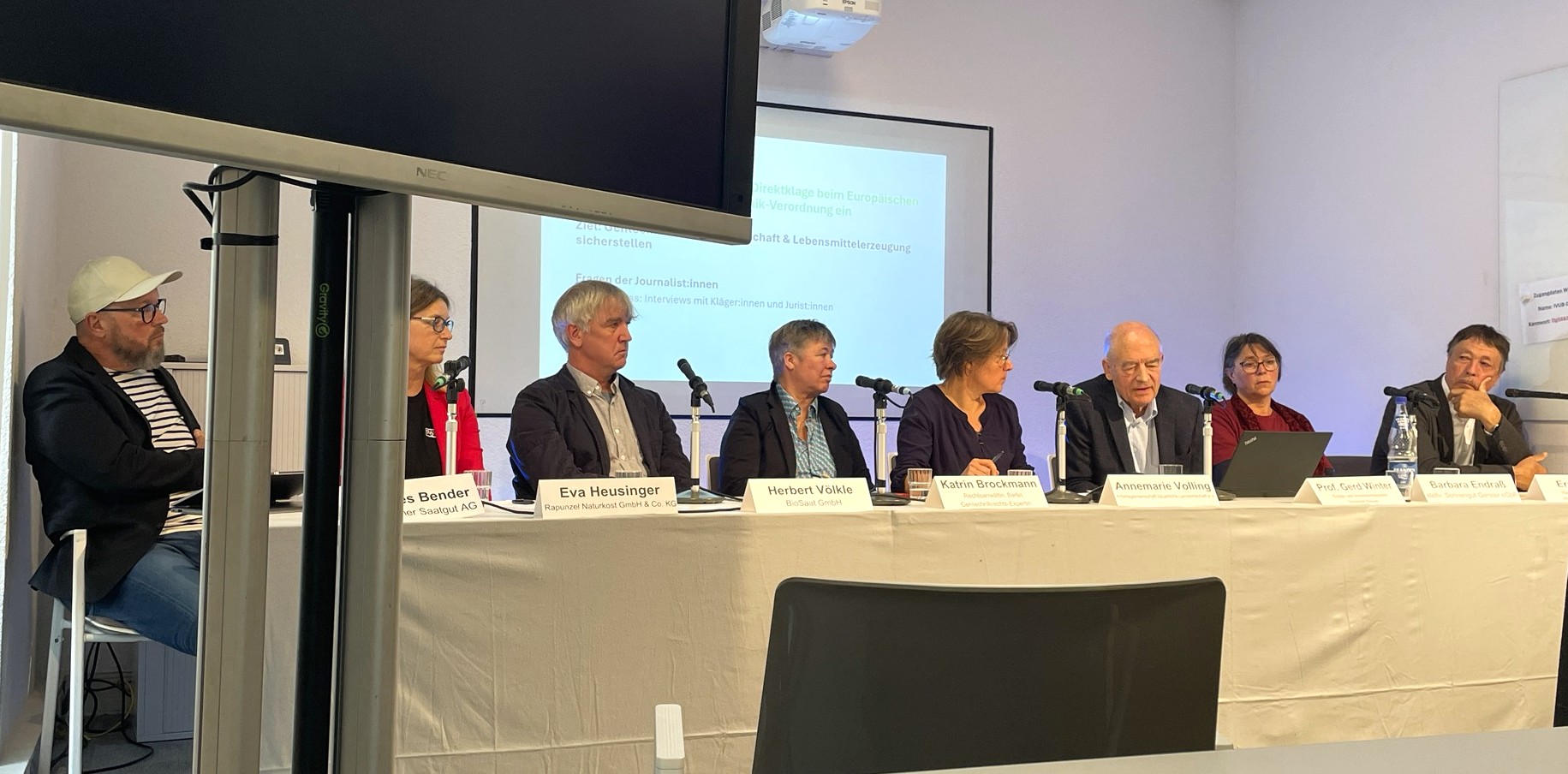
Eight companies and four associations representing GMO-free agriculture in Germany have filed an action with the General Court of the European Union in Luxembourg. The action for annulment challenges Regulation (EU) 2026/1388 of 17 June 2026 on plants obtained through “new genomic techniques” (NGTs).
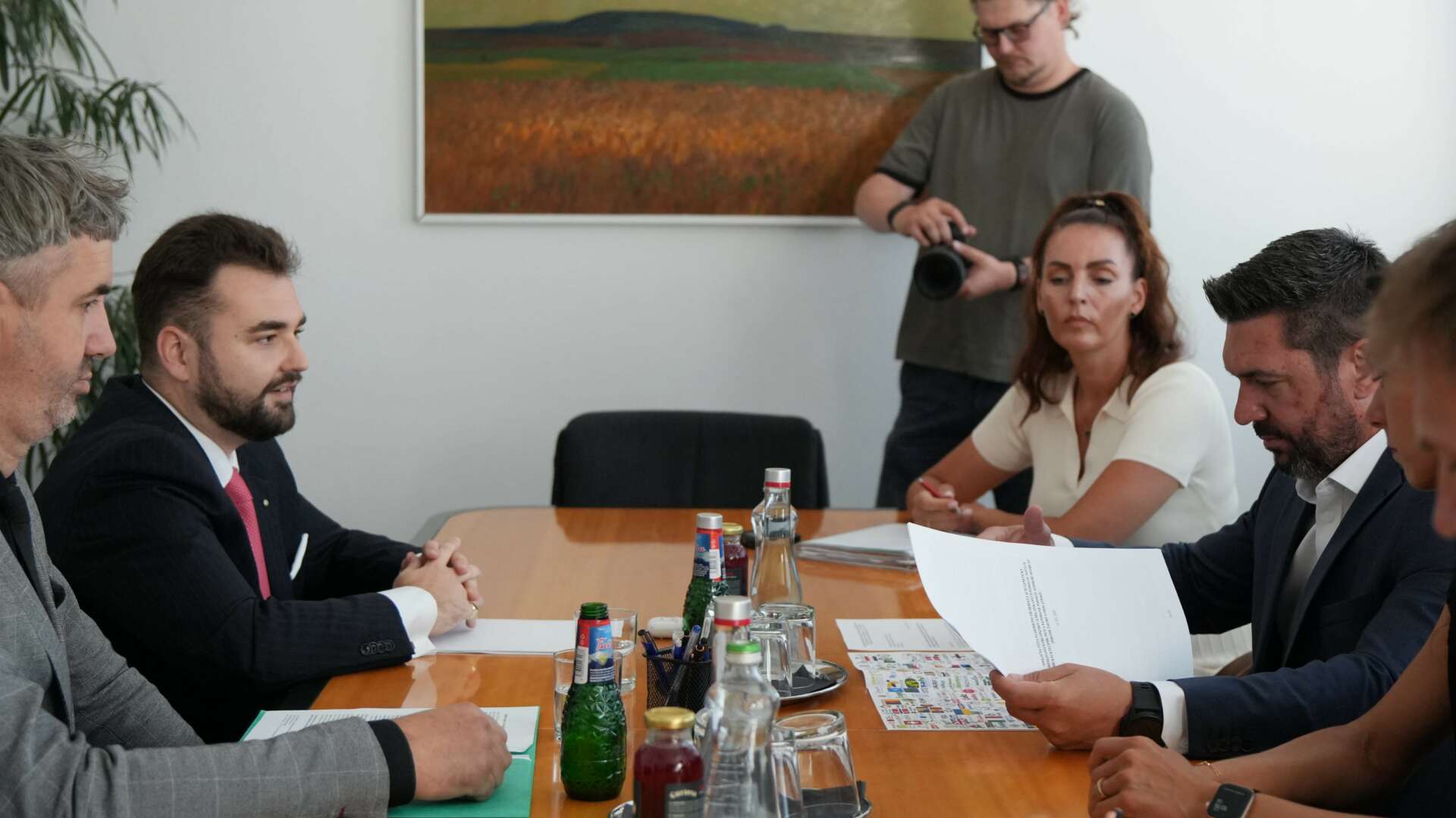
The Slovak government will file a lawsuit with the Court of Justice of the European Union (CJEU) against the new EU regulation on genetically modified plants developed with new genetic engineering techniques, according to Prime Minister Robert Fico.
The EU is moving towards weaker rules for genetically modified microorganisms (GMMs) deliberately released into the environment. The Commission says EU GMO regulations are blocking access to products available elsewhere. But the global market for environmental GMMs is tiny, their benefits remain uncertain, and scientists warn that environmental releases could pose risks that are difficult to predict, control or reverse.
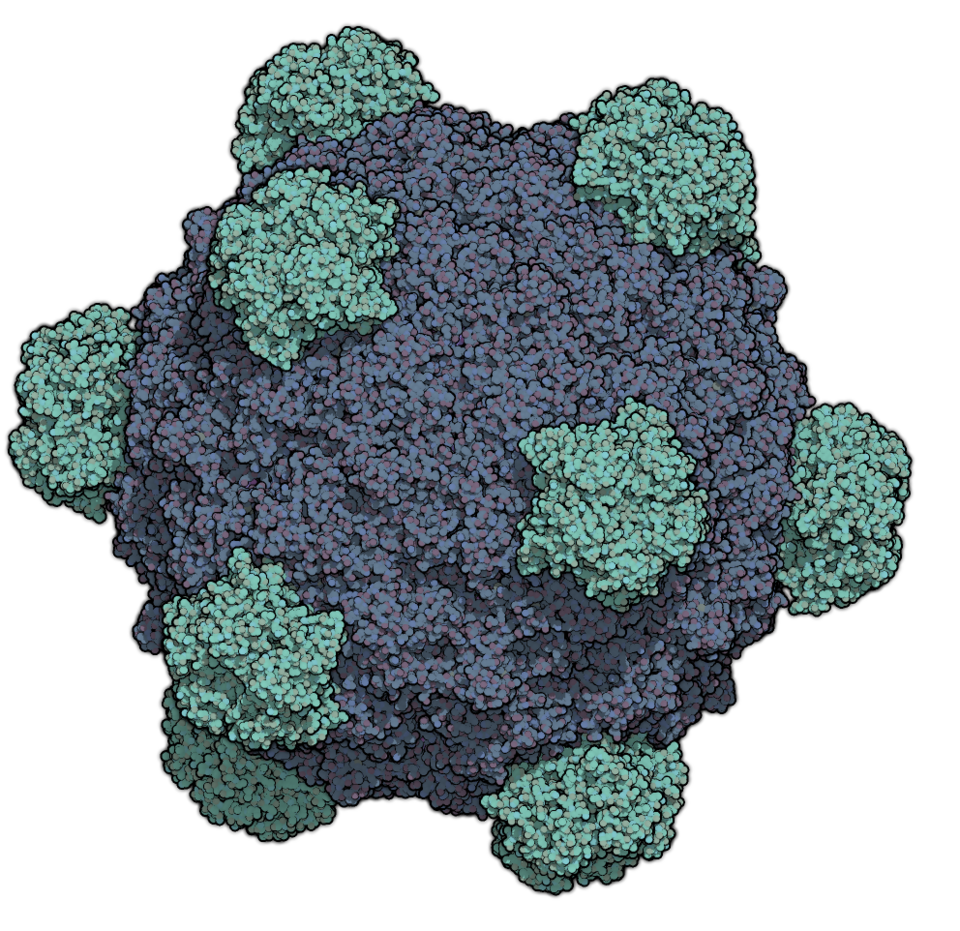
The successful creation of functional new-to-nature viruses designed by artificial intelligence has prompted renewed calls for stronger oversight of synthetic biology and AI-enabled genome design. In the EU, meanwhile, discussions are focussed on preventing the malicious misuse of biotechnology, while paying little attention to the biosafety questions raised by increasingly capable AI genome design tools.